Cultural Portraits
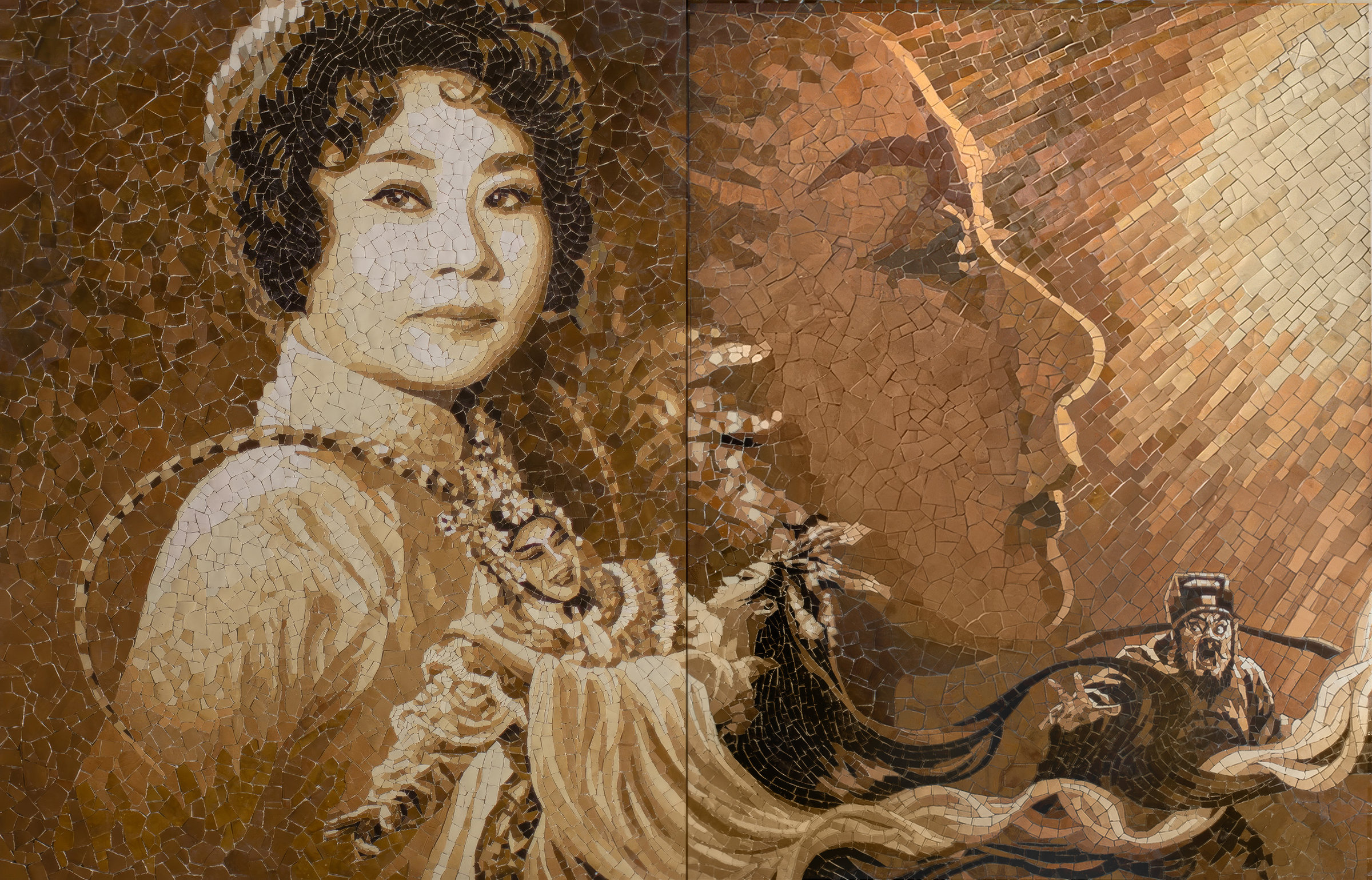
Every face in this series belongs to someone who is dead, and to a form that is thinning out: the poem read aloud, the song learned by ear, the cải lương stage, the teaching passed from one person to the next.
The series does not ask how to preserve them. It asks what is still available to a culture after the direct line has broken, and whether something assembled afterwards, out of pieces, has any standing of its own.
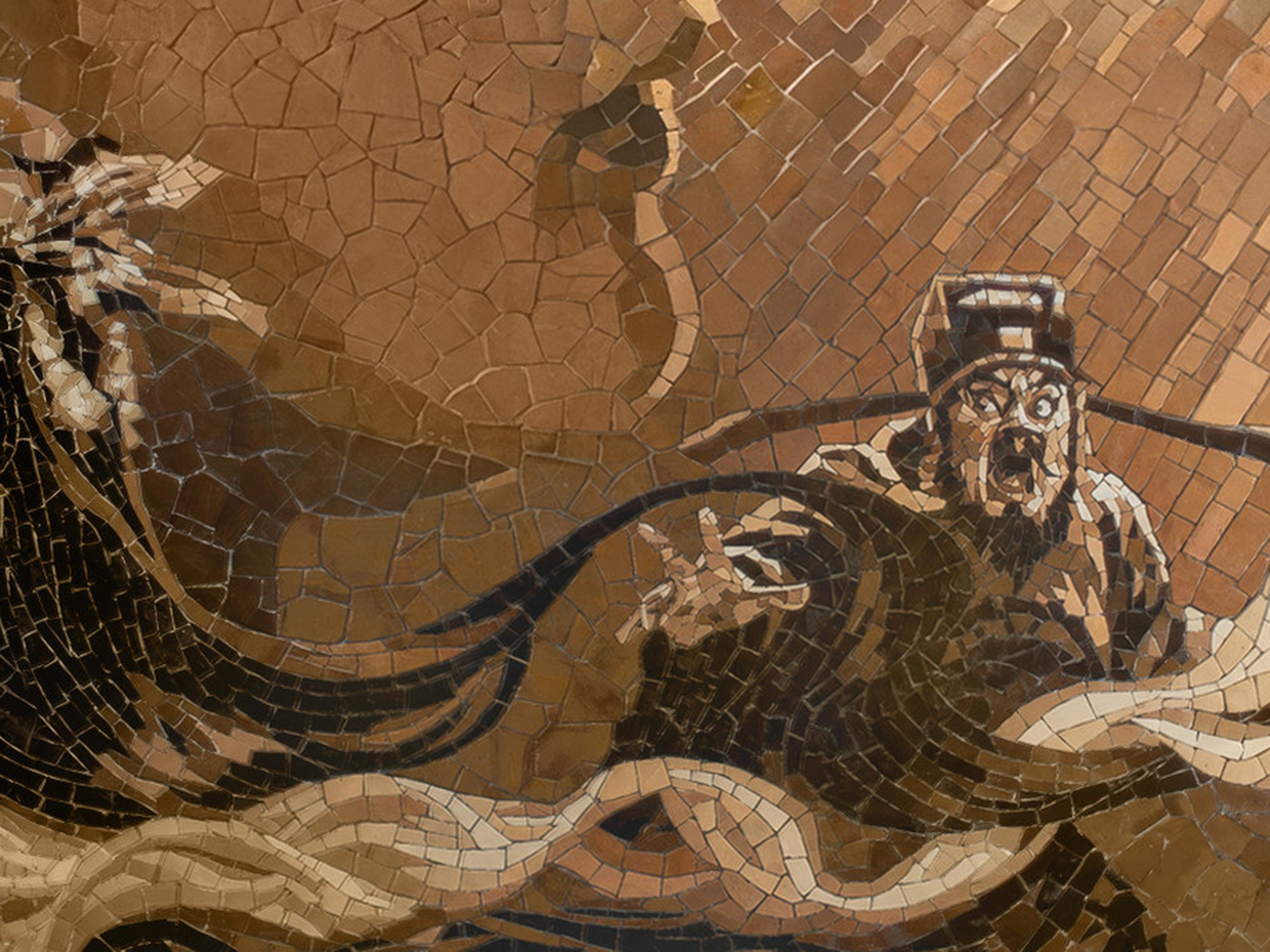
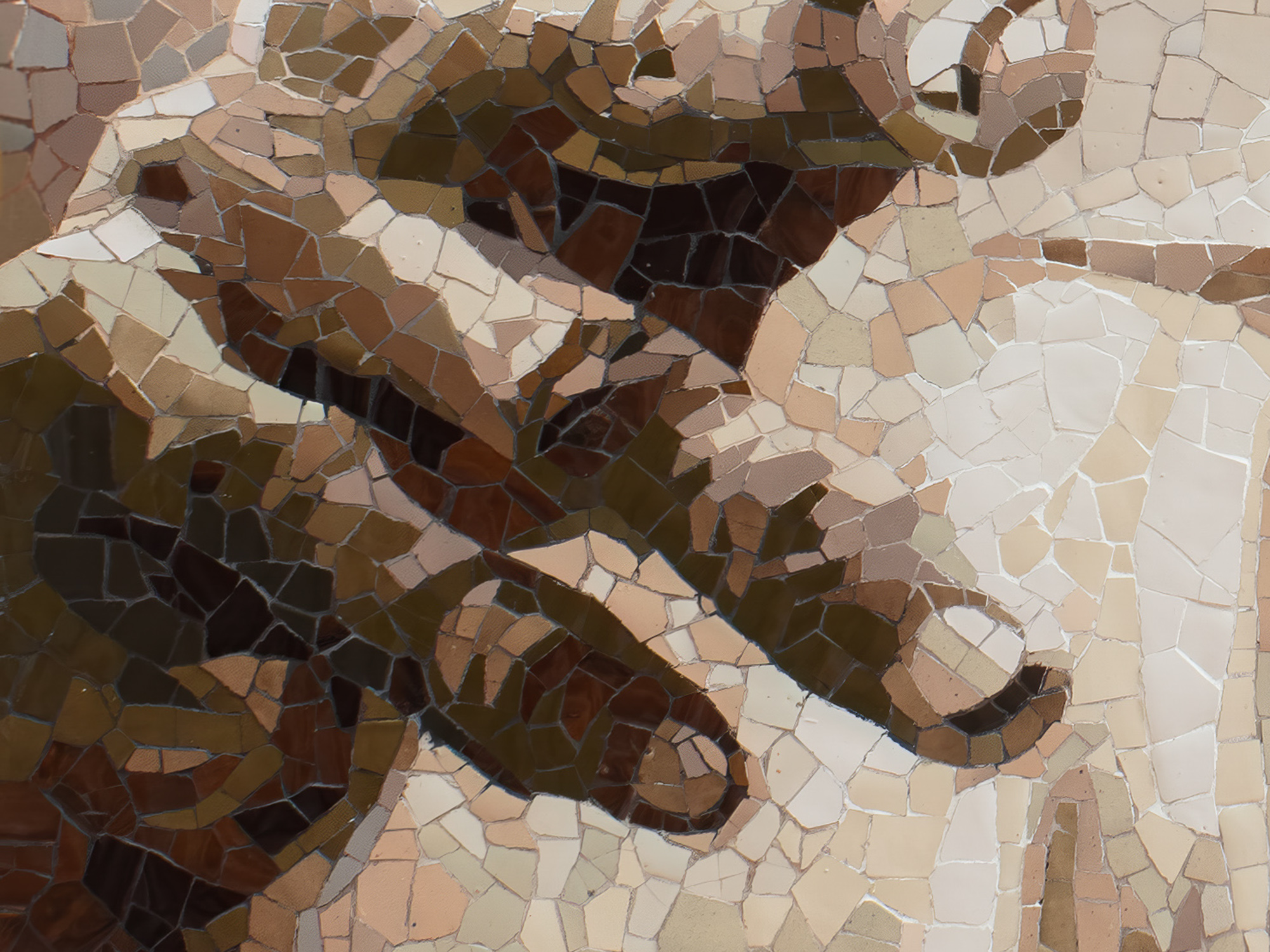
The material carries the same question as the subject. The Biên Hòa kilns these works draw on have lost their defining glaze, and no one can reproduce it. I arrived too late to inherit the tradition whole, and had to make the missing parts myself. Every face here is built from two kinds of fragment — some carrying their own age, some fired last year to supply a tone that no longer exists.
Nothing in these portraits is continuous. The breaks are visible at every centimetre, and they are not concealed.
I do not think this is a loss to be mourned. It is the ordinary condition of anything that survives a city being rebuilt on top of it.
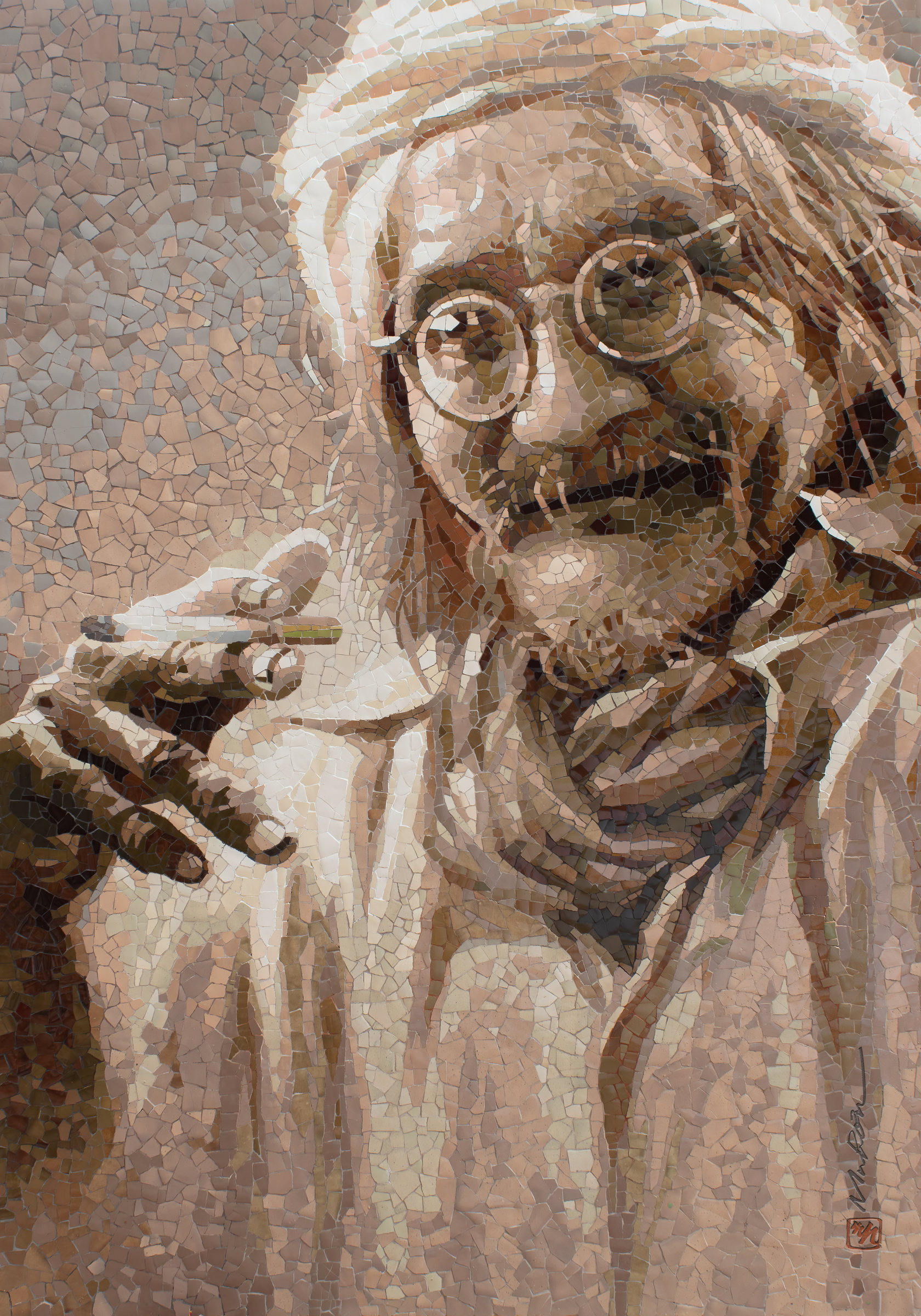
Bán Dùi is a southern Vietnamese nói lái — a syllable-swapping wordplay — on the poet's name, Bùi Giáng. Bùi Giáng used the form constantly in his own writing.
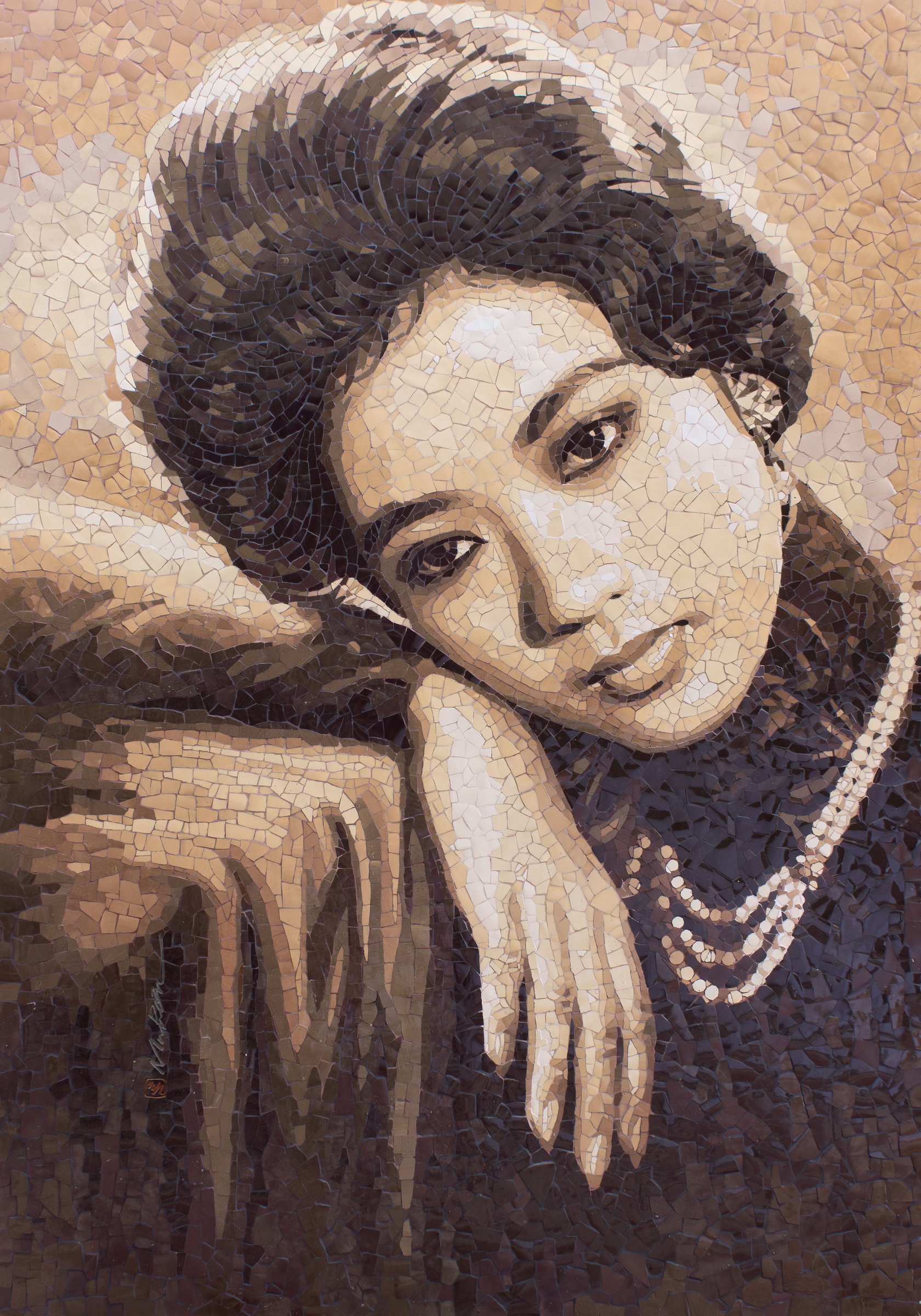
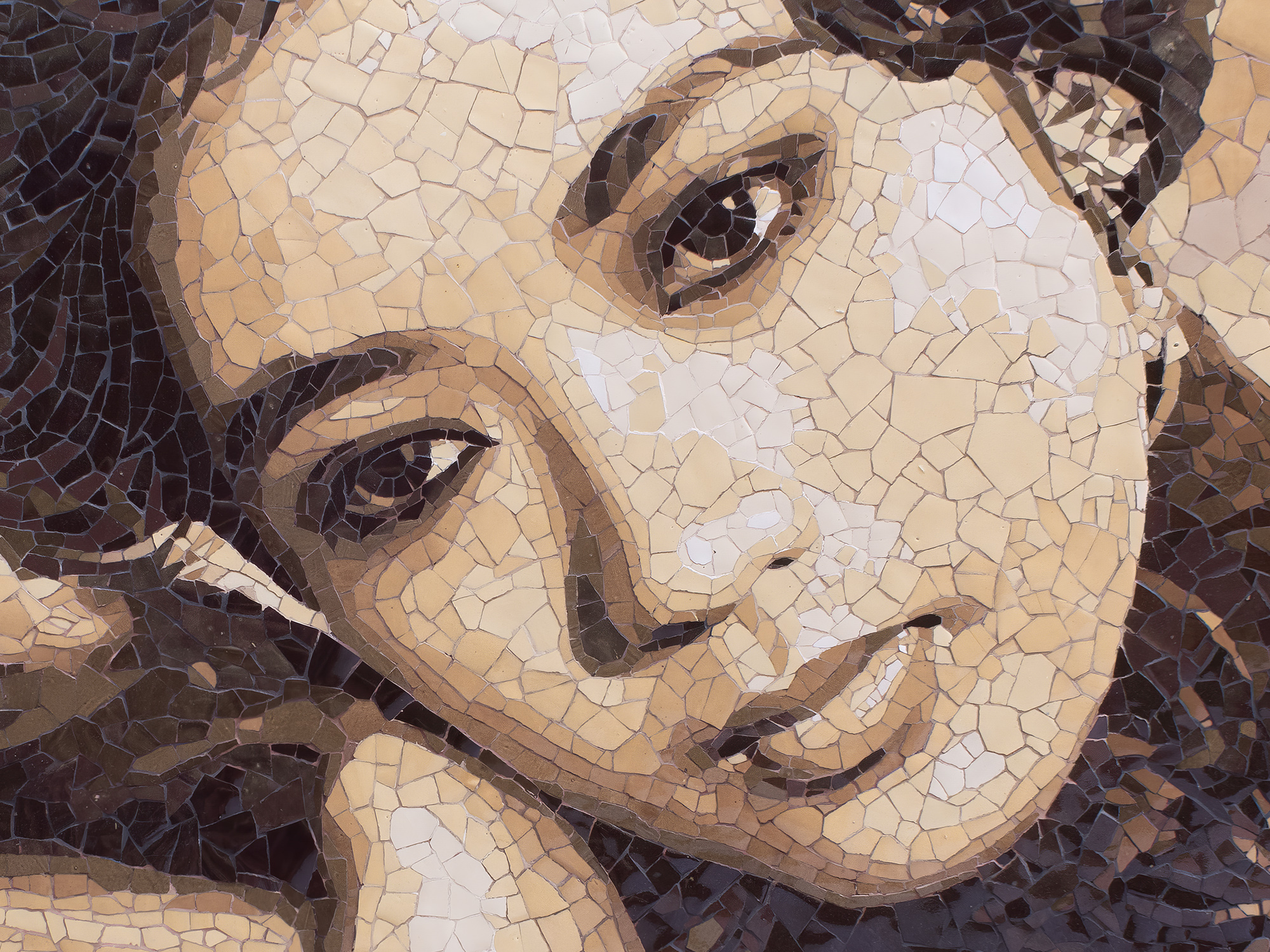
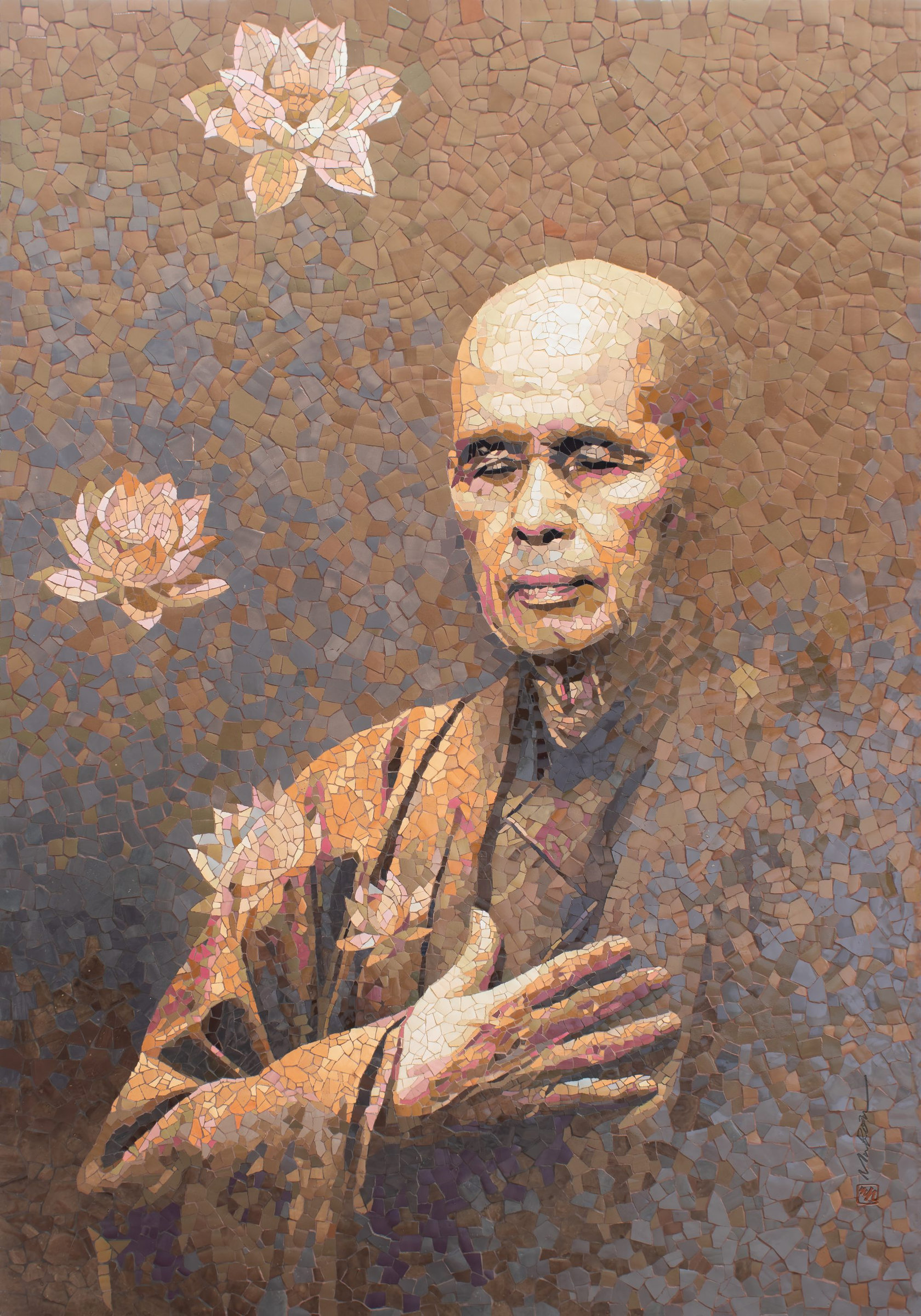
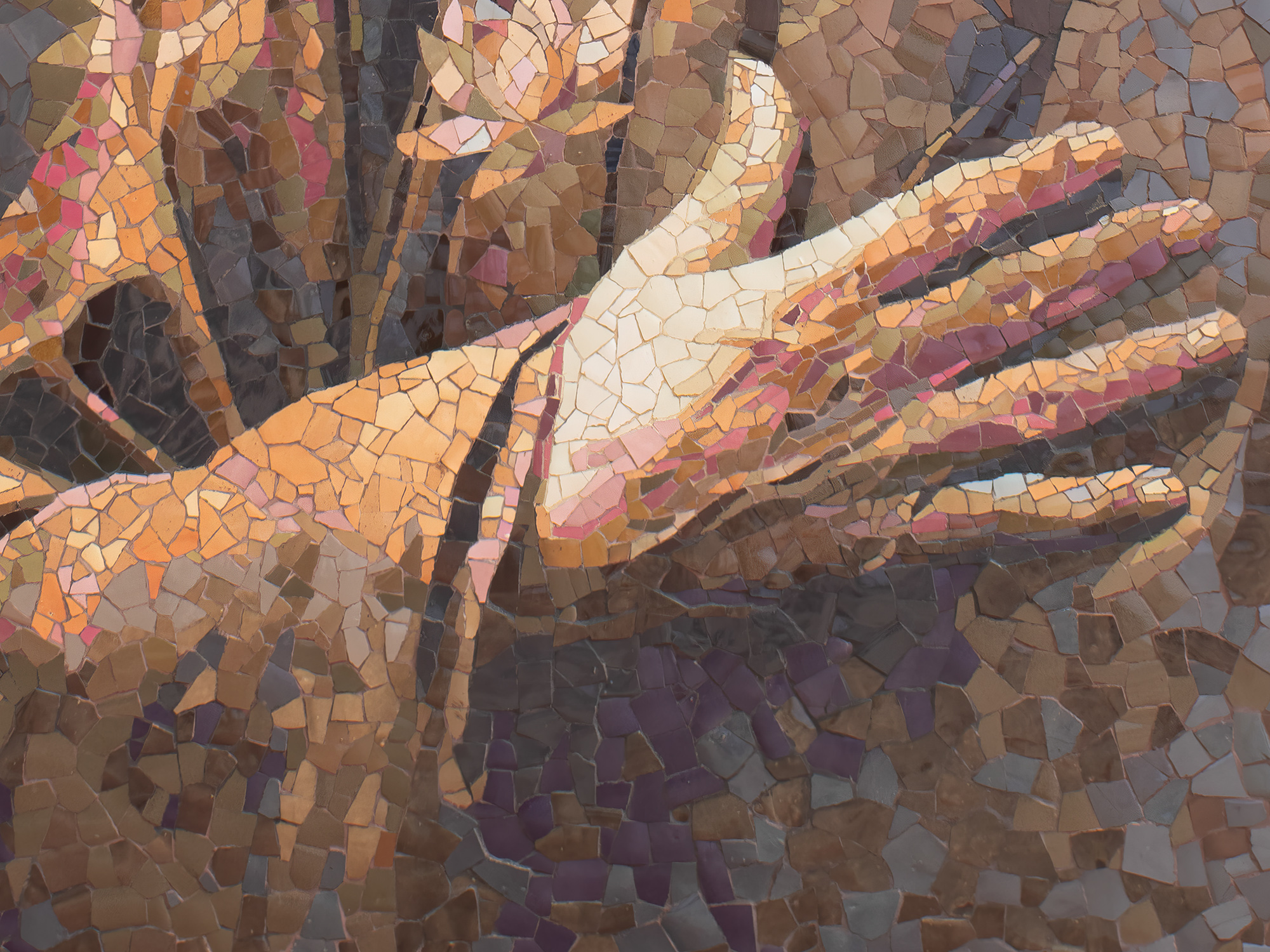
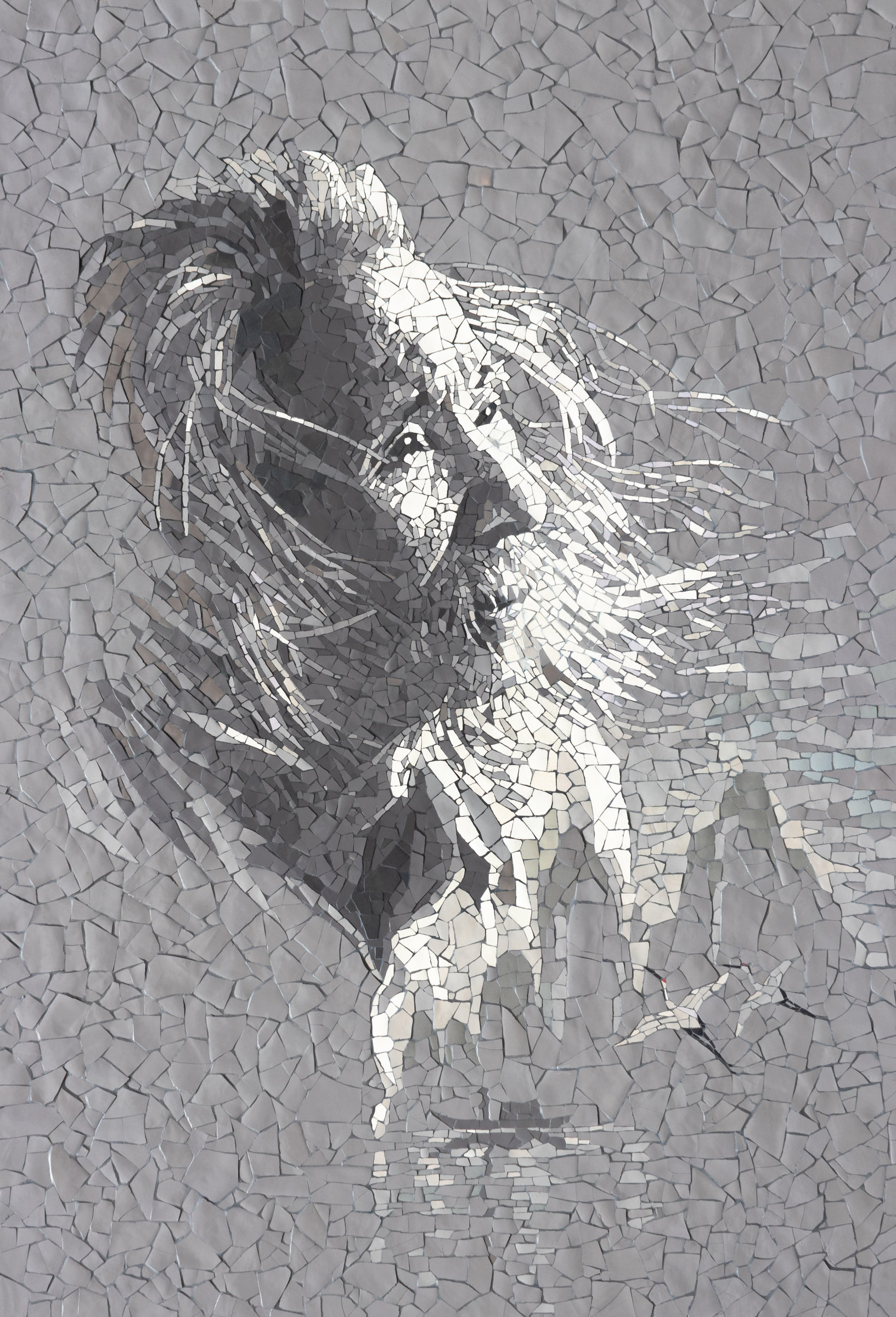
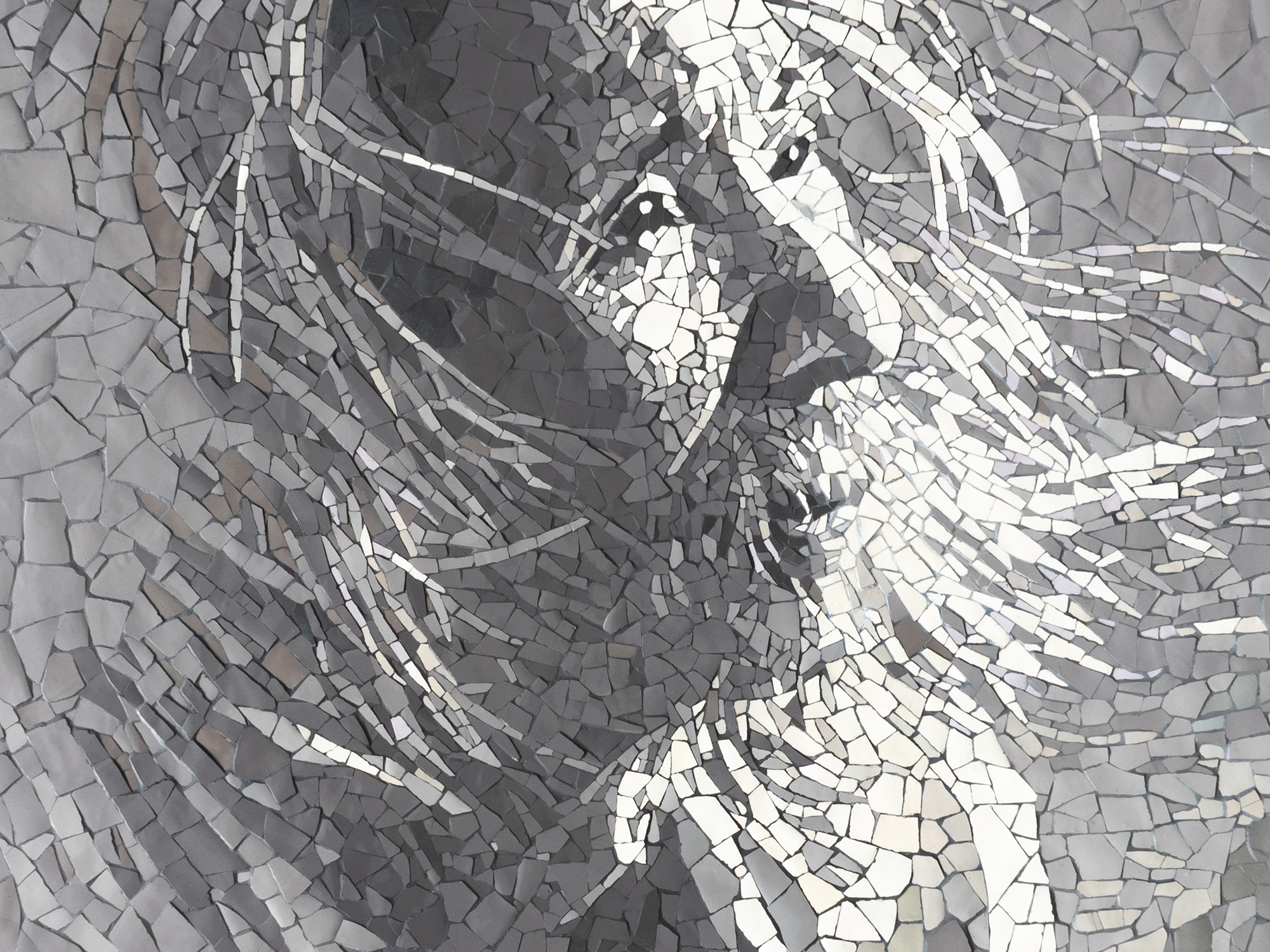
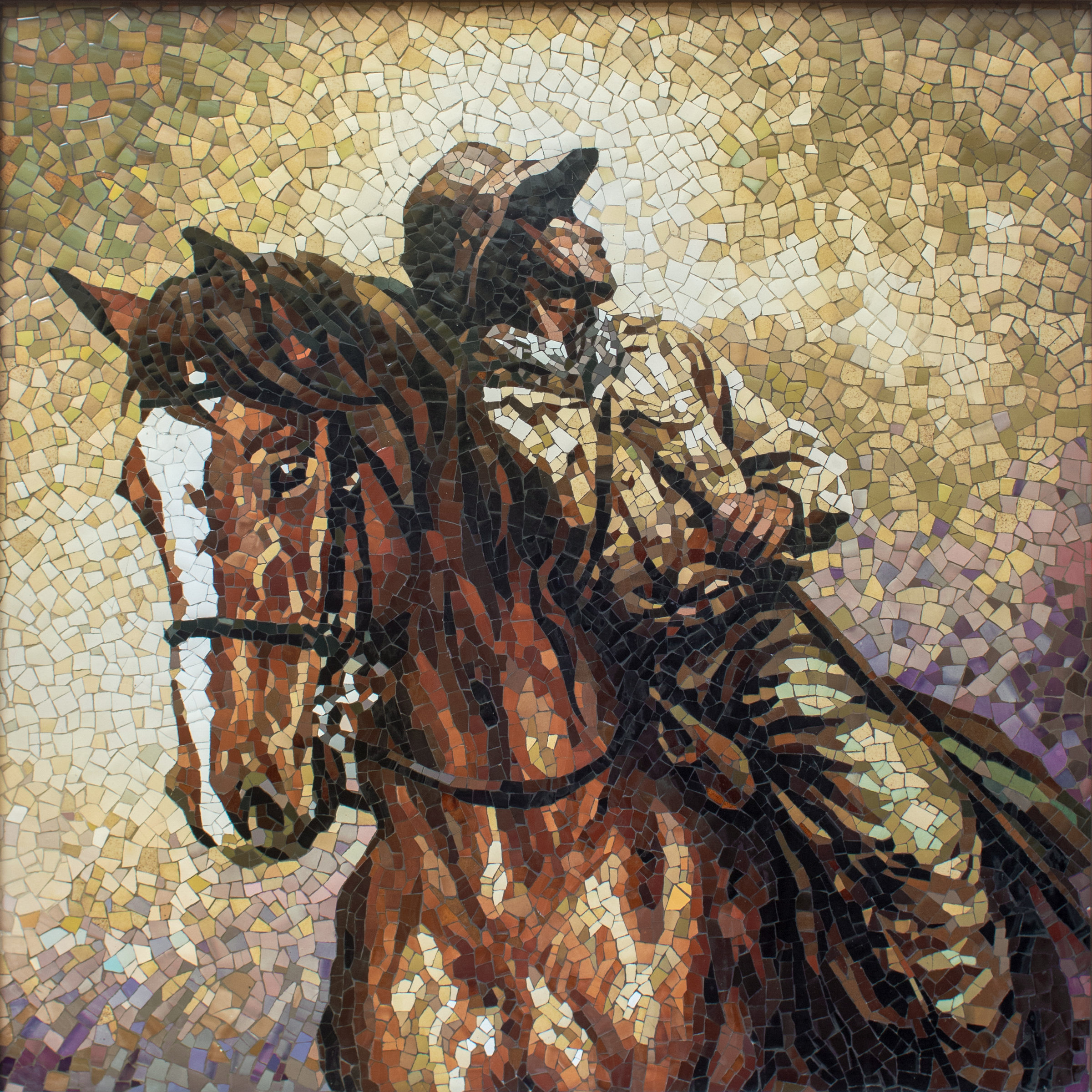
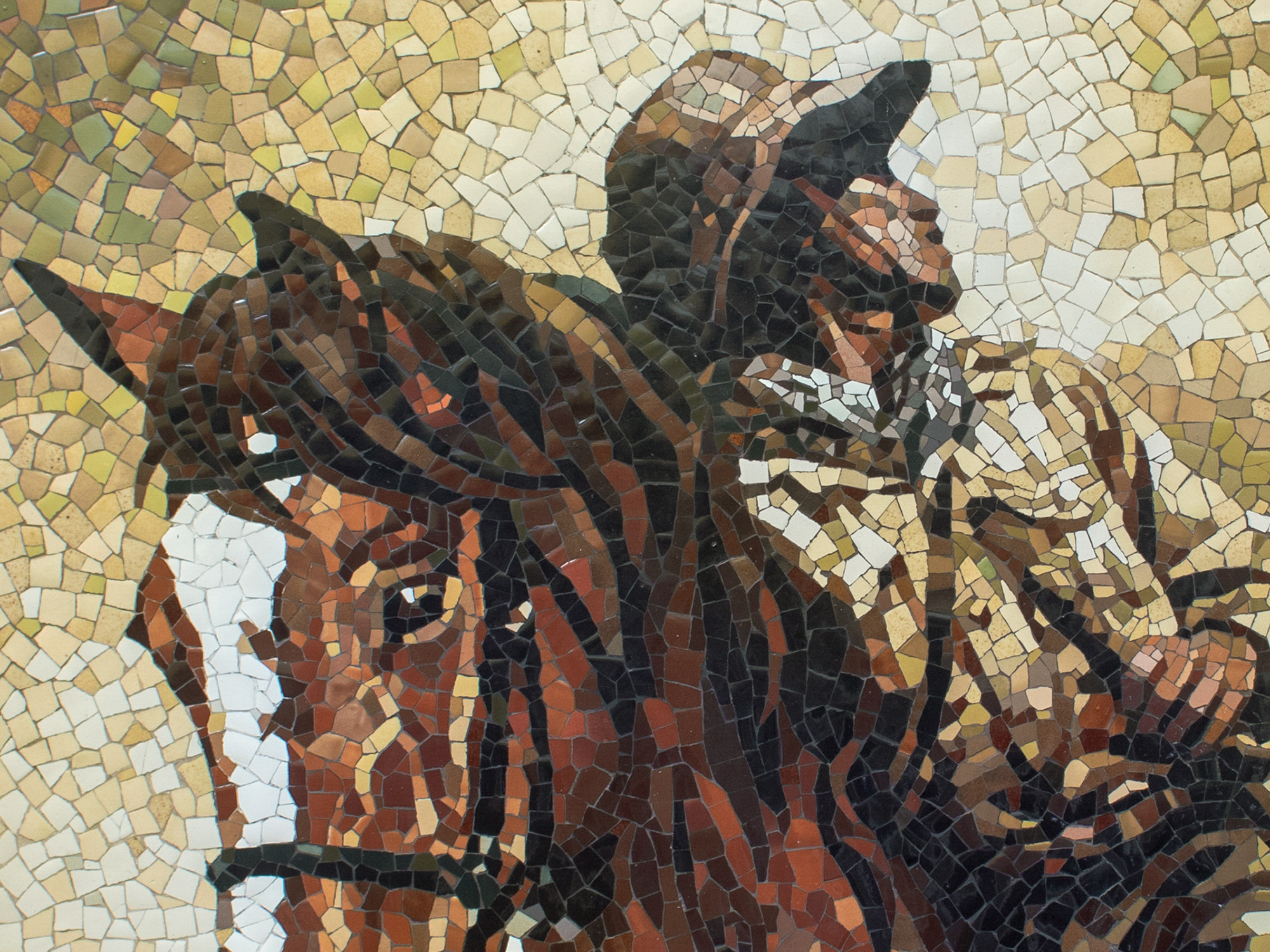
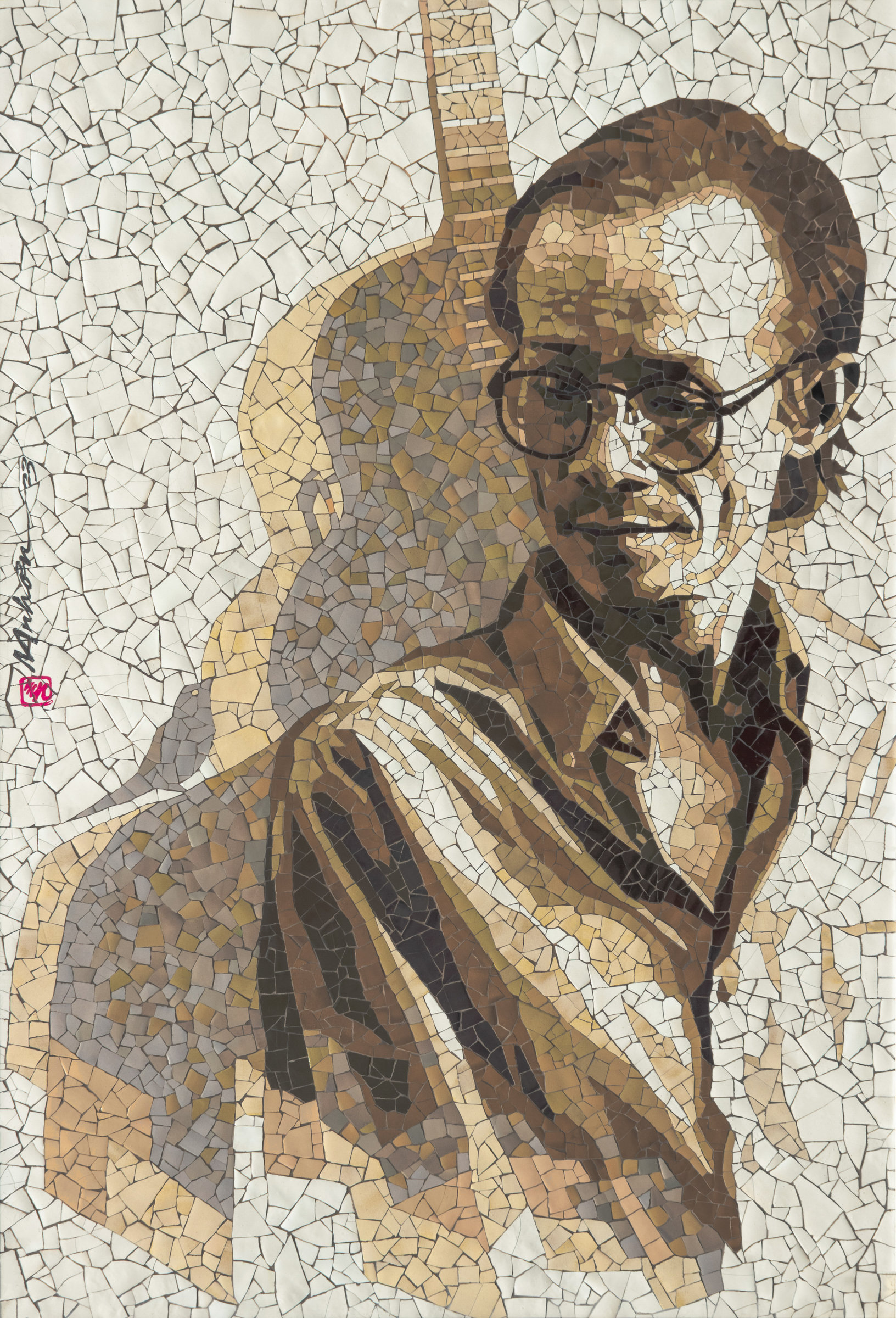
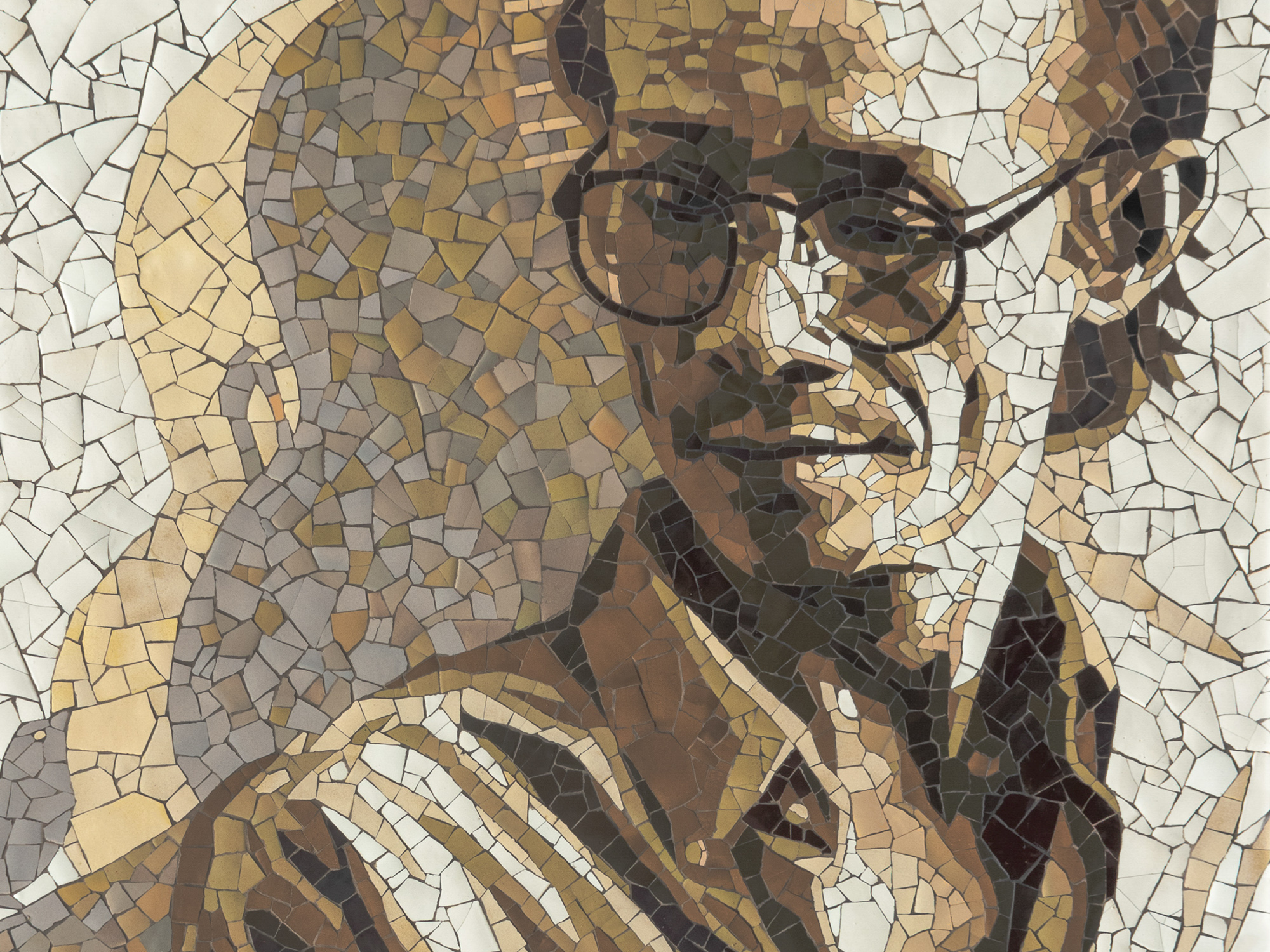
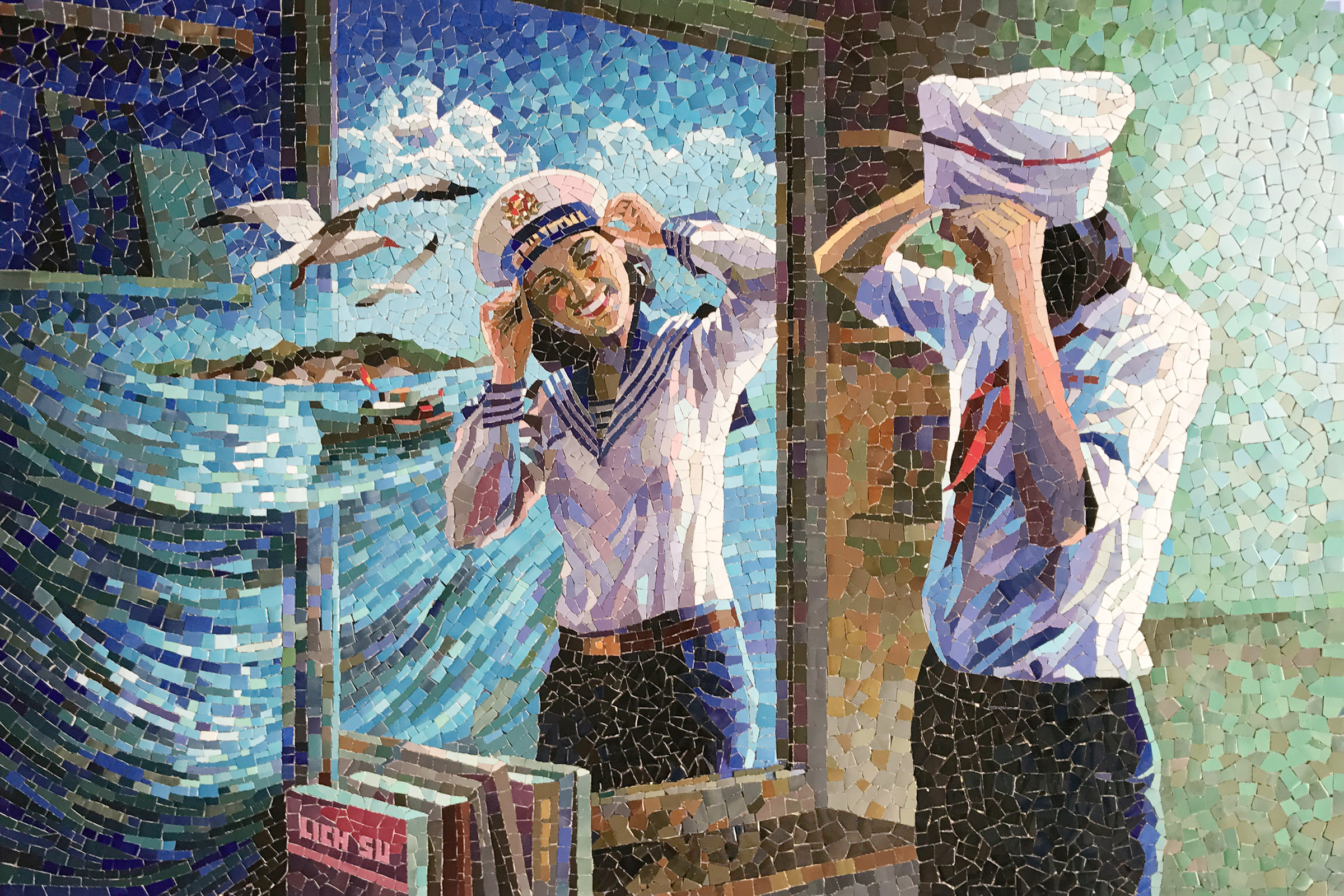
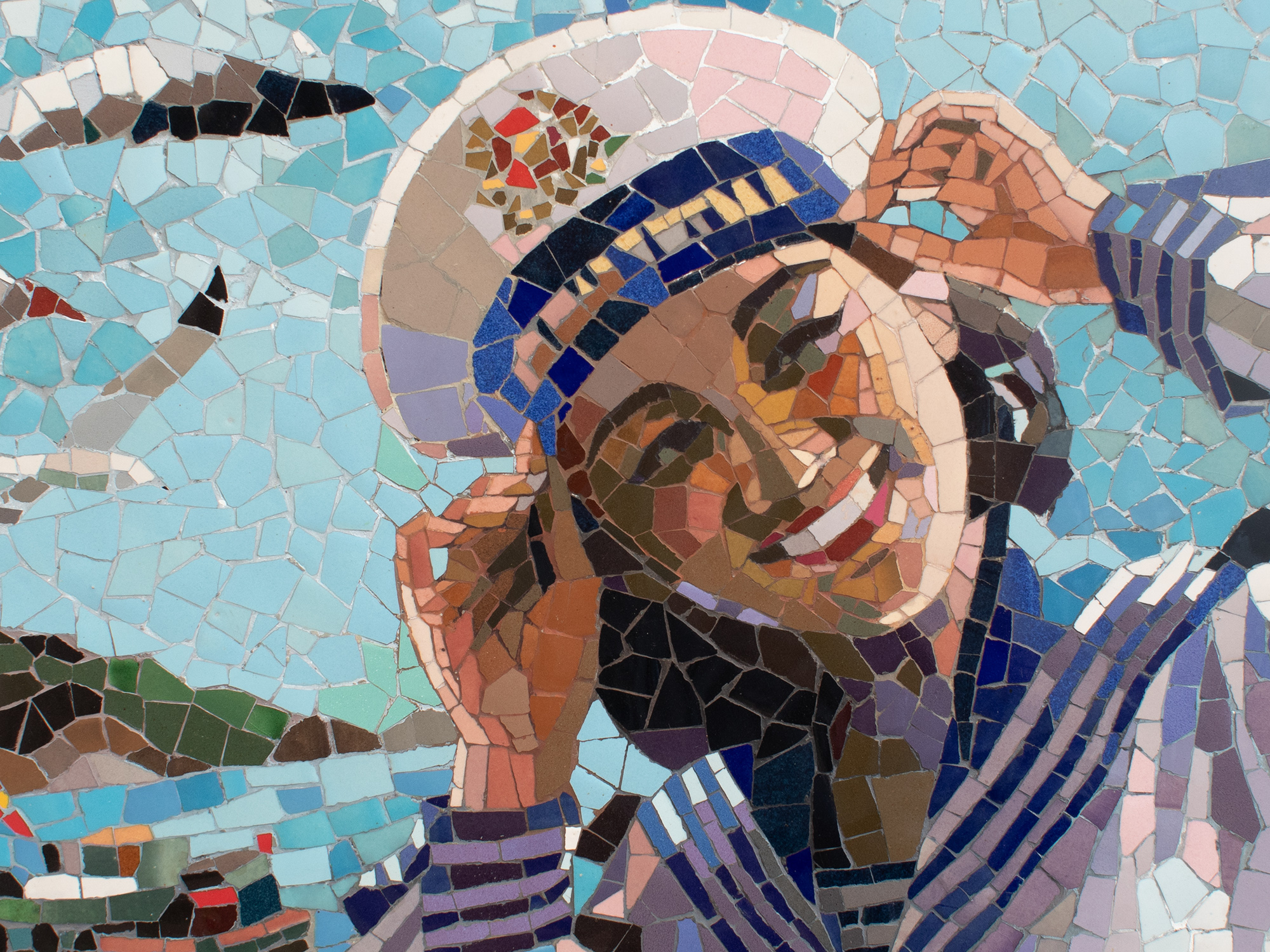
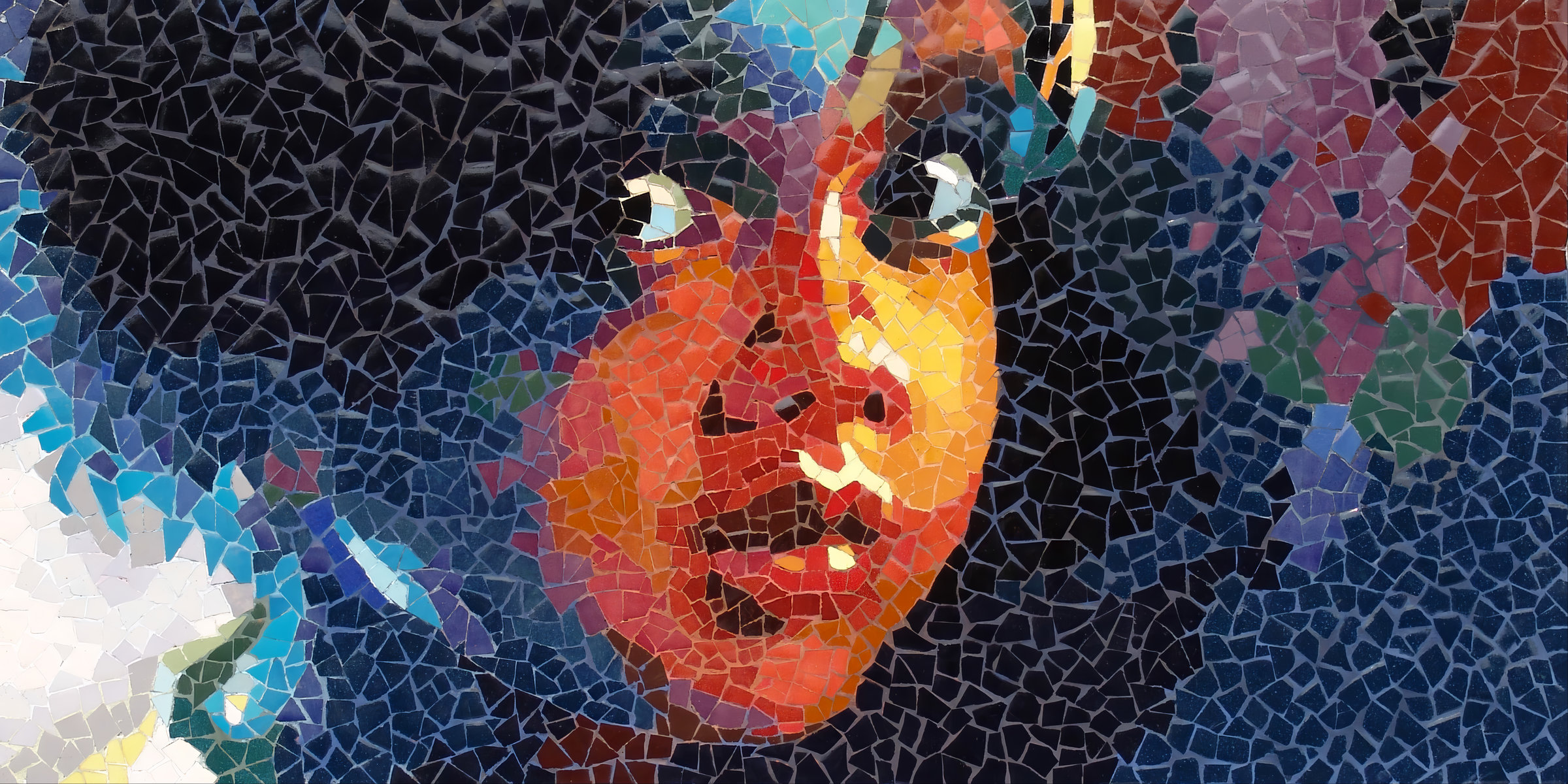
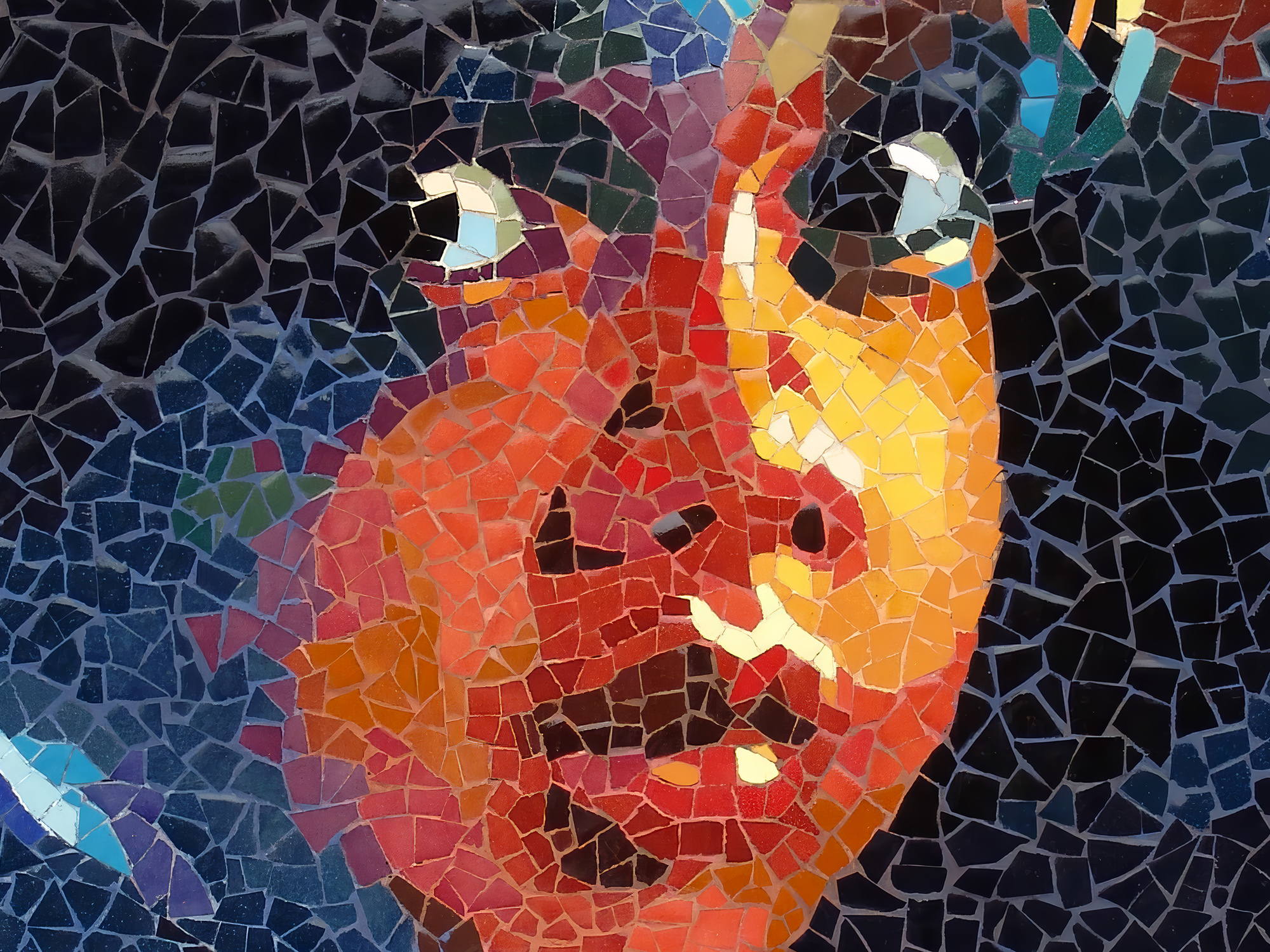
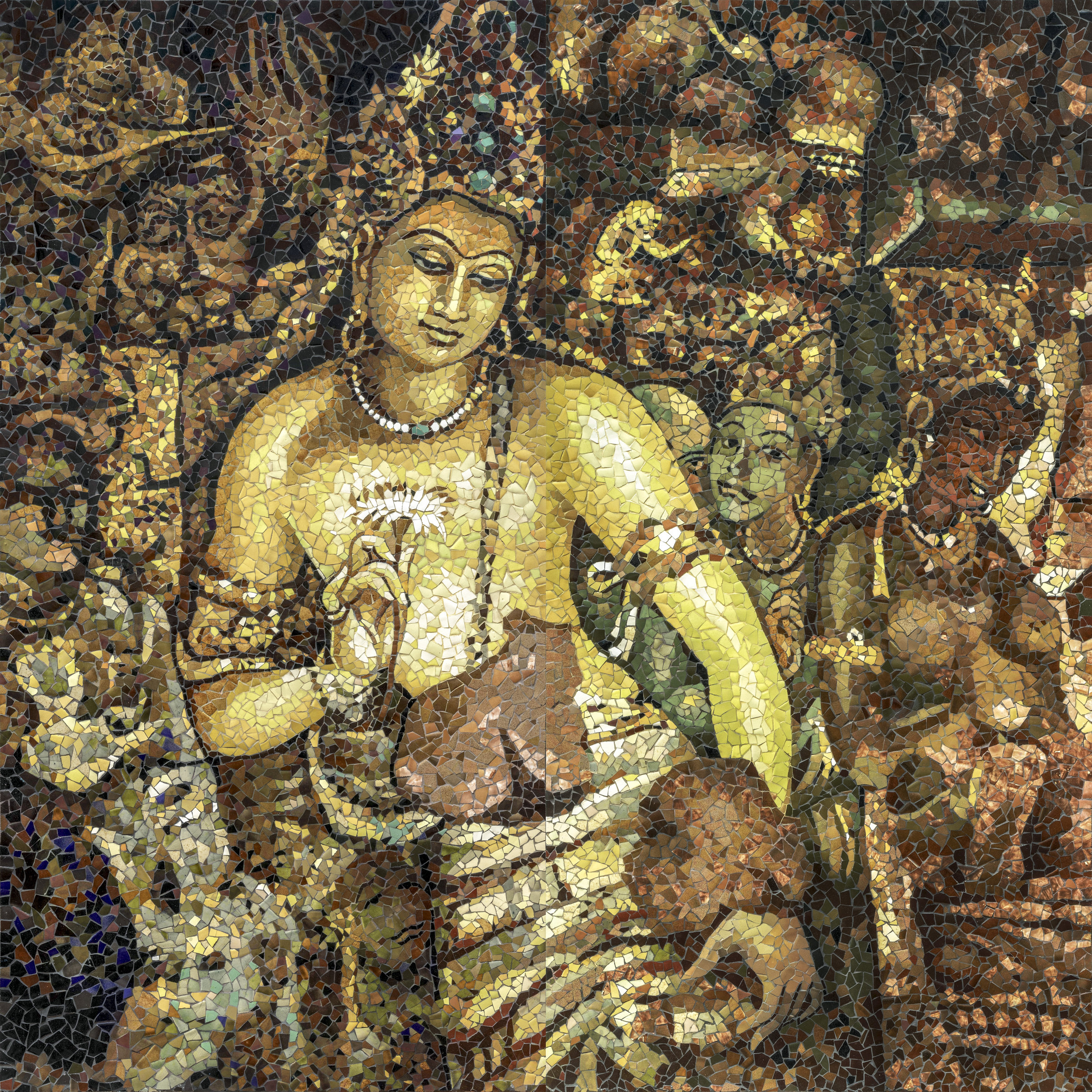
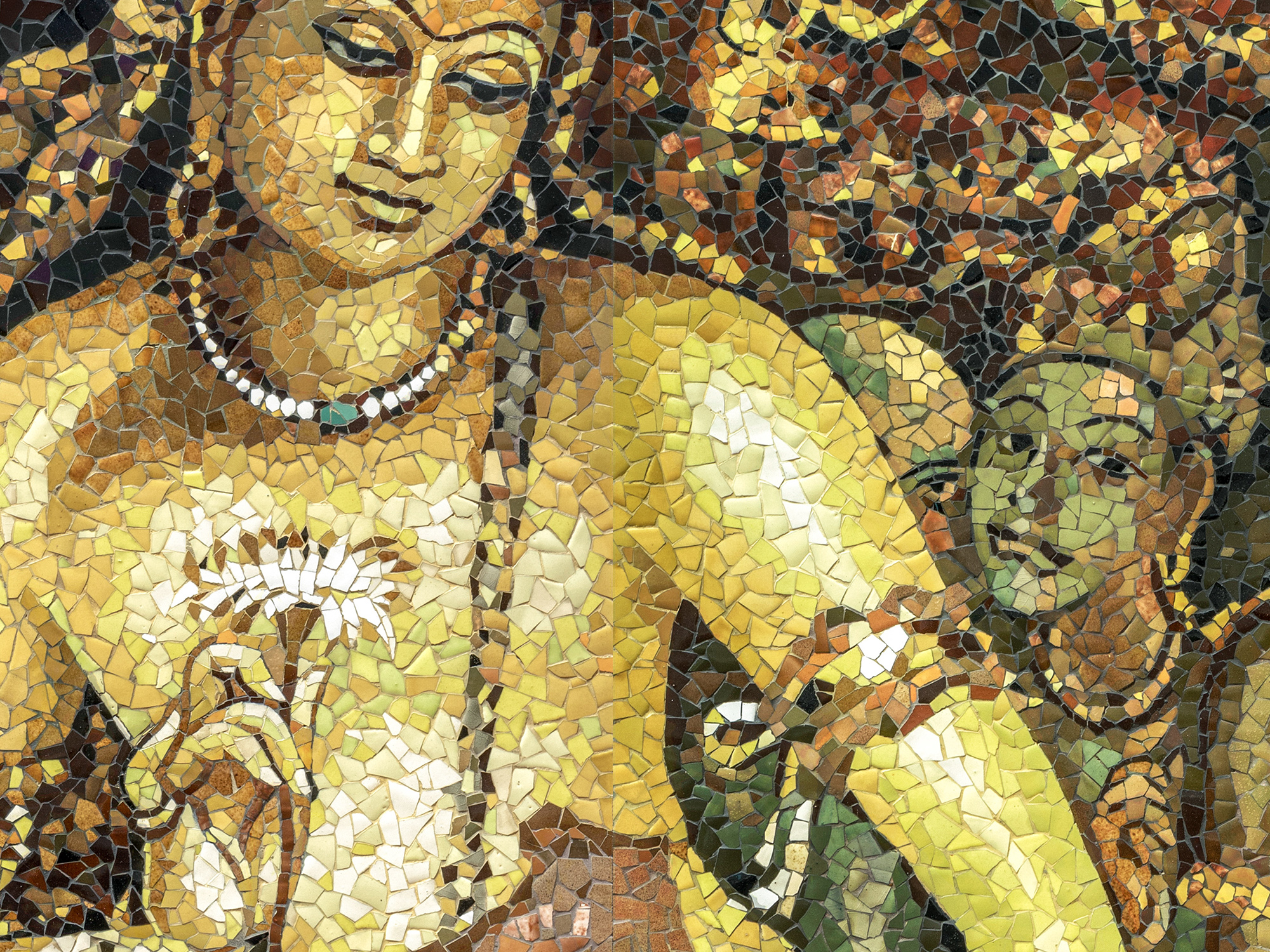
The clay bodies and glazes are made and fired by the artist in Biên Hòa, following techniques inherited from the traditional Biên Hòa kilns, combined with a proportion of salvaged historic glaze.